Pipe Lining and Pipe Bursting for Sewer Laterals in Lititz
You want the sewer line fixed without a trench across the lawn, the maple or the walkway. Sometimes that is possible. A camera look at the pipe is how we find out whether it is.

Fixing a sewer pipe without opening the whole yard
Trenchless is a family of methods for repairing or replacing an underground pipe with a minimum of excavation. Instead of a long trench from the house to the street, the crew works from a few small access points and treats the pipe from inside, or pulls a new pipe along the old route.
The two methods you will hear about most are lining and bursting. Both can save a landscaped yard, a driveway or a mature tree from a long cut. Neither suits every pipe, and the choice depends on what is wrong with the line and where it runs.
The first step is the same for all of them. A camera goes through the lateral so the technician can see the walls, the joints and the slope. A trenchless plan built on anything less than that footage is a guess. If you want to know what that visit involves, see our page on sewer camera inspection.
Lining a pipe from the inside
With cured-in-place lining (CIPP for short), a fresh pipe is formed within the existing one. A flexible sleeve soaked in resin is pulled or inverted into the lateral, pressed against the walls and allowed to harden. The result is a smooth, jointless inner surface that spans cracks and small gaps.
Before lining, the pipe is cleaned so the sleeve can seat properly. Roots are cut out, scale is scraped away and the line is surveyed again to confirm that it is ready. Lining suits a line when the host pipe is still roughly straight and in one piece.
Because the new surface sits inside the old pipe, the interior is a bit narrower than it was. A sound lining job is designed with that in mind, and the technician can explain how it affects your particular line. Lining is a way to renew pipe that has structural defects but has not collapsed. It is not a magic seal for every kind of failure.
Bursting an old pipe and pulling in a new one
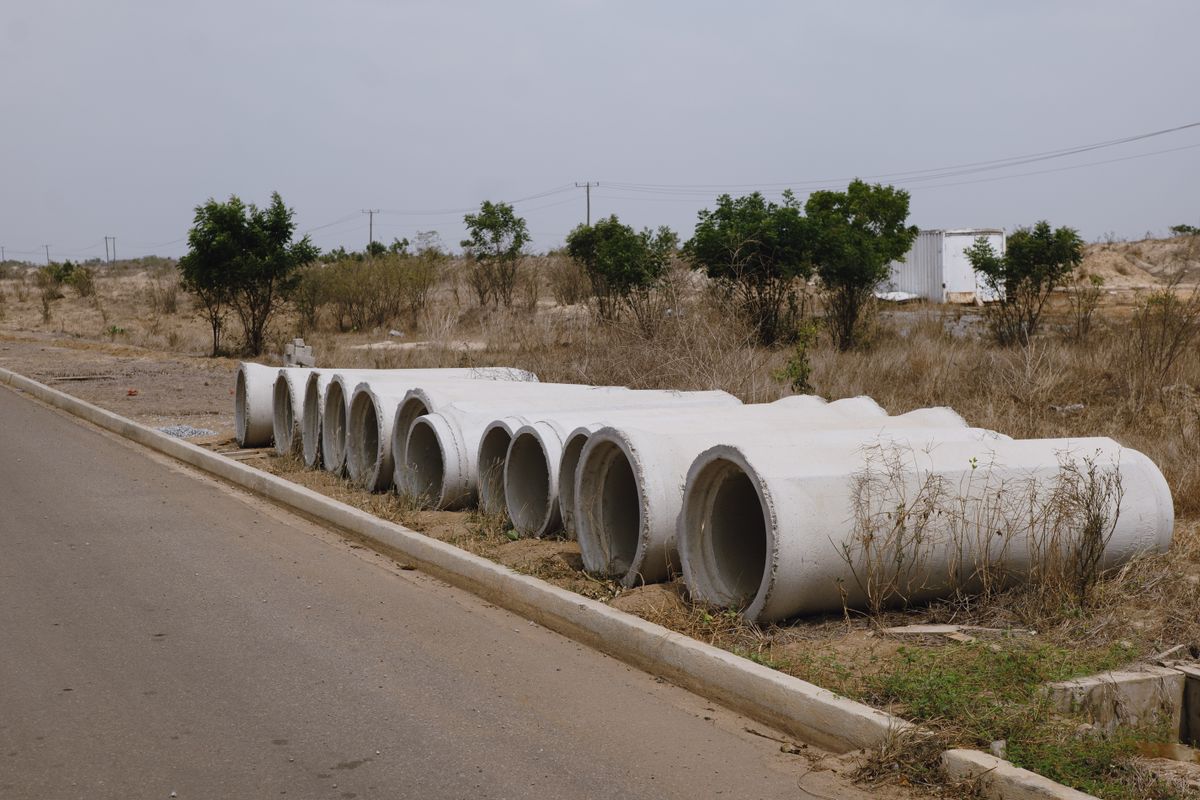
Pipe bursting replaces the pipe along the same path. A cutting or expanding head is pulled through the old lateral, fracturing it outward into the surrounding soil, while a new pipe is drawn in right behind it. The crew typically digs an entry pit at one end, and an exit or receiving pit at the other.
This method can handle some pipe that is too far gone for lining, including pipe with several breaks or a rough interior, and it can produce a new line of full diameter. It is also the route that tends to follow the old alignment, so it does not fix a pipe that sags unless the ground has been addressed.
Soil, depth, nearby utilities and the path under driveways or foundations all affect whether bursting is a good idea. The technician checks these before recommending it. If bursting is not appropriate, a conventional replacement may be the honest answer.
How we decide whether trenchless fits
Fit comes down to three things: the condition of the pipe, its slope and how the crew can reach it.
Condition of the pipe
A pipe with cracks, open joints or roots in the joints is often a candidate. A pipe that has collapsed, is crushed or has a long section missing usually is not, since a liner or a burst head needs a path to travel.
Low spots in the slope
Lining follows the existing shape, so a sag stays a sag and may still hold water afterward. If the camera shows a low spot that traps waste, the technician will tell you whether the method addresses it or whether that section needs to be dug and re-laid.
Getting equipment to the pipe
Both methods need working room at each end, plus clear access through the cleanout or a pit. A lateral that bends sharply, changes size or passes under something that cannot be disturbed may not be a fit.
Roots deserve a mention. A line that has been invaded can sometimes be lined after the roots are removed, since the sleeve covers the opening they used. Our page on tree roots in sewer lines explains what happens in the pipe before and after.
Lititz homes and where trenchless gets a look
Trenchless tends to attract attention where a trench would be costly or hard to restore. In the Warwick Township villages, that often means established yards, finished driveways and long runs from older homes. Rothsville has an old village core beside newer subdivisions, so the right method depends a lot on which part of the village the house sits in.
Further north, Lexington mixes village homes with rural lots, where the run to the main can be long and the yard between the house and the street is the thing most people want to protect.
The older borough has some of the oldest laterals and the most mature trees. Brick sidewalks and stone foundations make a long trench harder, which is why trenchless is raised there as well, though the age of the pipe can also push toward a conventional dig. Frost depth and freeze-thaw movement affect all of it. This service is for homes on the public sewer, not those with private wells and on-lot septic.
Where the crew gets in: pits and cleanouts
Even a trenchless job needs a way in. For lining, the entry is usually a cleanout or a small excavation at the house end of the lateral and another at the street end. For bursting, two pits are common, one to launch the equipment and one to receive it.
A cleanout makes everything easier. With an exterior cleanout already in place, the crew can often work from it and avoid cutting into a slab or pulling a toilet. If your home does not have one, adding one is usually part of the plan, and the cleanout installation page describes how that goes.
Ask the technician to point to the entry and exit locations, and what will be disturbed. A pit in a flower bed is easier to restore than one in a patio.
While we line up a technician
Little things you do now make the camera visit more useful.
- Pause flushing and heavy water use if any fixture is backing up.
- Keep kids and pets away from any wastewater on the floor.
- Avoid pouring drain chemicals into the lines.
- Leave the cleanout capped so the technician opens it safely.
- Make a note of what is above the sewer path: trees, a patio, a driveway.
Questions about pipe lining and bursting
Lining creates a new pipe inside the old one. A resin-soaked sleeve is inserted into the cleaned lateral, pressed to the walls and cured until it hardens. The result is a smooth inner surface that covers cracks and joints. It is designed for pipe that is damaged but still in one piece, and it depends on what the camera shows. Your technician can tell you whether your lateral is a candidate.
We do not state a lifespan, because it depends on the materials, the installation, the condition of the host pipe and the conditions around it. What you can ask for is a clear explanation of how your line will be lined, what the warranty on completed work covers, and what the technician expects based on your camera video.
Often it can, once the roots are removed. Cutting clears the interior, and the sleeve then covers the joint or crack the roots used to enter. The technician checks the pipe again afterward to confirm that it is clean and ready. If the roots have broken or displaced the pipe, lining may not be enough and another repair might be needed. The camera answers that before any decision is made.
Not by itself. A liner follows the shape of the pipe it is placed in, so a dip or belly can remain after lining and continue to hold water. If the camera shows a significant low spot, the technician may recommend digging and re-laying that section, perhaps combined with trenchless work on the rest. The honest answer depends on how deep the sag is and how it affects flow.
It does take up a little of the interior, since the new surface sits inside the existing one. A well-planned installation accounts for that, and the smooth, jointless surface can move waste along well. How much it matters on your line depends on the pipe size and condition. Ask the technician to explain the effect for your lateral, and whether another method suits it better.
Typically two: one pit to launch the equipment and a receiving pit at the other end of the run, though the number can change with the length of the lateral, any bends and the connection points at the house. Some jobs also open a spot where an existing section has to be addressed. The technician shows you where each hole goes and what it disturbs before work begins.
It can, or it can come out about even, depending on the situation. Savings on restoring a landscaped yard, driveway or walkway may offset the cost of the equipment, while a simple run through an open lawn can be cheaper to dig. We do not quote figures over the phone. The technician explains scope and upfront pricing for each method, so you can compare them with the facts in front of you.
Then the technician explains why and offers an alternative, usually a spot repair or an open-trench replacement. Collapsed sections, severe sags or difficult access are common reasons. Nobody should push a trenchless job on a line that will not accept it. Hearing a plain no, with the camera footage as evidence, is part of getting an honest answer.
Usually the work is planned around the cleanout, since it is the easiest way in and out of the line. If it is in poor shape, in a poor location or missing, the crew may replace or add one as part of the job. Ask where the new access point will sit and whether it is easy to reach for future clearing or inspections.
Less digging, if the pipe allows it
A local technician inspects the lateral first, then lays out the options and upfront pricing before any equipment comes off the truck.