Cracked Lateral? Spot Repair Options
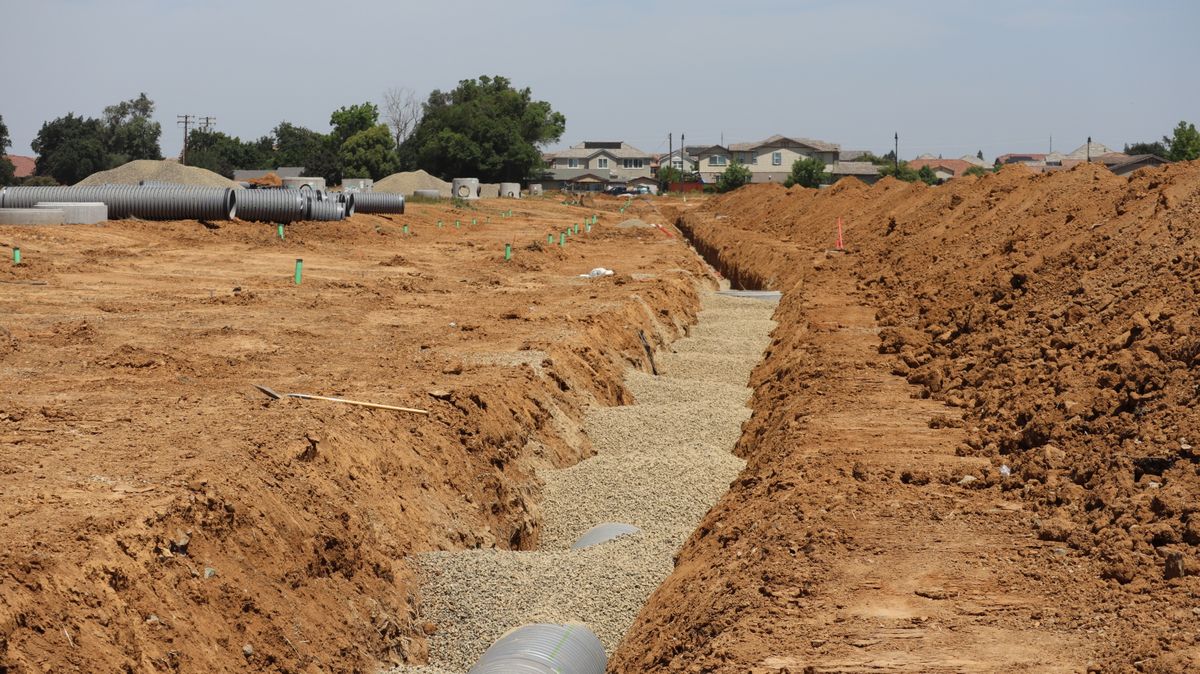
When the camera finds a single cracked, offset or root-damaged section, a targeted dig can fix just that stretch instead of the whole run to the main.
Referral service: calls are connected to independent local professionals who do the work. Read the disclosure.
Tell us what your drains are doing and a real person helps you sort out the next step. A local technician can be dispatched, and pricing is explained before any work begins.
Symptoms
One slow sink is usually just a sink. These signs, especially together, point further out toward the line that leaves your house.
While you wait
A few small habits keep a bad afternoon from getting worse.
How it works
The call is short on purpose. You describe the problem and we get a local professional moving.
A person answers, around the clock. You say what the drains are doing and where; no account, no form.
Which fixtures, how long, any earlier camera work, whether you know the cleanout. Your answers tell us who to send.
We connect you with an independent sewer line pro who knows Lititz homes. Where one is available, a same-day or emergency visit can be arranged.
The technician looks inside the line first, then explains the findings, the choices and the upfront pricing before anything is touched.
Why call
We are a referral service, not a contractor, so the value is in how the call is handled.
Backups do not wait for business hours, so someone picks up at any time of day or night.
Where a technician is available, we aim to get one to your door the same day, including for urgent backups.
You hear the scope and the price from the technician before work begins, and the conversation is not rushed.
What is described on site is what you are asked to approve, with no surprise lines added afterward.
For warranty coverage, put the question to the independent technician before approving anything, because any terms are theirs.
Brick row houses, village crossroads and newer subdivisions each behave differently, and the people we send have worked in all of them.
If your symptoms point somewhere other than the lateral, you will hear that on the call.
Services
Each service starts with the same idea: see the pipe first, then decide.
When the camera finds a single cracked, offset or root-damaged section, a targeted dig can fix just that stretch instead of the whole run to the main.
Where pipe is worn through along most of its length, replacing the lateral may make more sense than repeated patches. Open trench and trenchless routes are weighed together.
Lining and bursting rework a pipe through small access points rather than a long trench. Whether your line suits either method depends on its condition and path.
A small camera travels the lateral so you see the pipe for yourself: joints, roots, sags and breaks. It is the starting point for every honest recommendation.
Roots seek the moisture inside a sewer joint and can fill the pipe. Learn how clearing differs from fixing the point of entry, and what options follow.
Water rising in a floor drain or tub is a backup. The technician clears the line, then works out why it happened. Cleanup afterward is restoration work, and we connect plumbing only.
A cleanout is a capped access pipe that gives clearing and camera work a straight way in. Many older homes lack an exterior one, and it can be added.
Lititz homes

Lititz is a borough in northern Lancaster County, and the age of a house here tells you a good deal about the pipe underneath it.
The core of the borough was laid out in the 1750s. Around Lititz Borough you will find brick and stone homes, early-twentieth-century blocks and later post-war streets, many with basements and some with stone foundations. Older laterals in this kind of housing tend to be clay or cast iron, and clay in particular often has joints every few feet where roots can slip in.
Step outside the borough and the pattern changes. The Warwick Township villages, including Rothsville and Brunnerville, grew from old crossroads settlements. Around each village core sit subdivisions from the 1970s through the 2010s and open farmland. Pipe age can change from one street to the next, so a newer line may sit a few doors from a very old one. Near Kissel Hill the established subdivisions often have large trees planted decades ago, and their roots have had time to travel.
North toward Elizabeth Township and Brickerville the lots grow larger and the runs from house to main grow longer. Many properties out there are on private wells and on-lot septic. Those systems are outside what this site does; the service applies to homes on the public sewer.
Winter adds its own pressure. Cold weather, deep frost and repeated freeze and thaw move soil around pipes, and a joint that held quietly through summer can show up as a backup in February. Basements, common across the area, are where the first sign usually appears, because the lowest drain in the house is the first to complain when the line is restricted.
None of this means your line is failing. It means the camera matters more here than guesswork.
Areas
All of ZIP 17543, grouped here the way the ground and the housing actually divide.
The historic core and the blocks around it, with the oldest laterals and many basements.
Rothsville, Brunnerville, Kissel Hill and Lexington, plus the township streets that surround the borough.
Brickerville and the farm country north of town; we serve homes on the public sewer only, not wells or on-lot septic.
FAQ
Count the fixtures. One sink that drains slowly is normally a local clog. If a tub, a basement floor drain and a toilet all misbehave at the same time, the shared pipe beyond them is the likelier cause. Gurgling in one fixture when you run another, or water showing up in the lowest drain first, points the same way. Describe the pattern on the phone and the person who answers can tell you which direction it leans, before anyone is sent out.
It is a conversation, not a script. Someone answers and asks where in the house things are acting up, when you first noticed it and whether any drain cleaning or camera work was done before. You do not need to know pipe terms. If a technician is available, we dispatch one and tell you what to expect when they arrive. If the symptoms sound like something other than the sewer line, we will say so honestly instead of sending someone anyway.
The lateral, the pipe that carries waste from your house toward the main, is usually the homeowner's responsibility, and in some places that extends to the property line or even the connection at the main. It varies, so check with your municipal sewer authority about where your responsibility ends. The technician can show you on camera where the damage is and how far from the house it sits, which helps when you ask the question.
Clearing a clog tells you the water moved again. A camera tells you why it stopped. A technician feeds a small lens down the lateral and you watch cracks, offset joints, root masses, scale and low spots appear on the screen, along with how far from the house each one sits. That evidence is what separates a pipe that needs a small repair from one that needs rethinking.
It means working on the buried pipe without digging up its whole length. A technician reaches the line from a small access pit or an existing cleanout and either lines the old pipe from inside or pulls a new one through its path. Lawns and walkways usually take less disturbance as a result. It does not suit every line; a badly sagging or collapsed pipe may call for conventional digging, and the camera settles which route fits.
It can change when they show up. Deep frost and freeze and thaw shift the soil around pipes, and a stressed joint or a small sag may start catching waste when the ground moves. Roots that quietly entered a clay joint during summer can then tip a slow line into a full stoppage. None of that is certain for any given home, but a camera look is worth requesting after a first backup in cold weather.
It is worth considering. A standard home inspection looks at what is visible, and the lateral runs underground out of sight. In an older borough home it may be clay or cast iron, and the pipe can be in good condition or have roots and offsets that no one has seen. A camera inspection before closing gives you a recorded view of the line and a basis for asking questions, rather than discovering the pipe after the move.
Not on this site. Homes on private wells and on-lot septic are outside what we do, and we would rather say so now than waste your time. The service is for houses connected to the public sewer, which covers the borough, the village streets and the subdivisions across the Warwick Township area. If you are unsure which kind you have, mention it on the call.
Water goes to the lowest opening it can find. When the lateral is restricted, waste has nowhere to go but back toward the house, and the basement floor drain, laundry standpipe or lowest bathroom sits closest to the pipe. Upstairs fixtures sit higher and may still drain for a while. That is why a basement drain acting up first is a classic sign of a problem further out, not just in one fixture.
Describe what you are seeing and a local sewer line pro can be on the way. The first thing to happen at your house is a camera look, and the pricing comes before the work.