Sewer Line Replacement in Lititz
You have patched, snaked and cleared the same sewer line more times than you can count. If the pipe itself is giving out, replacing the lateral may be the calmer way to stop chasing it.
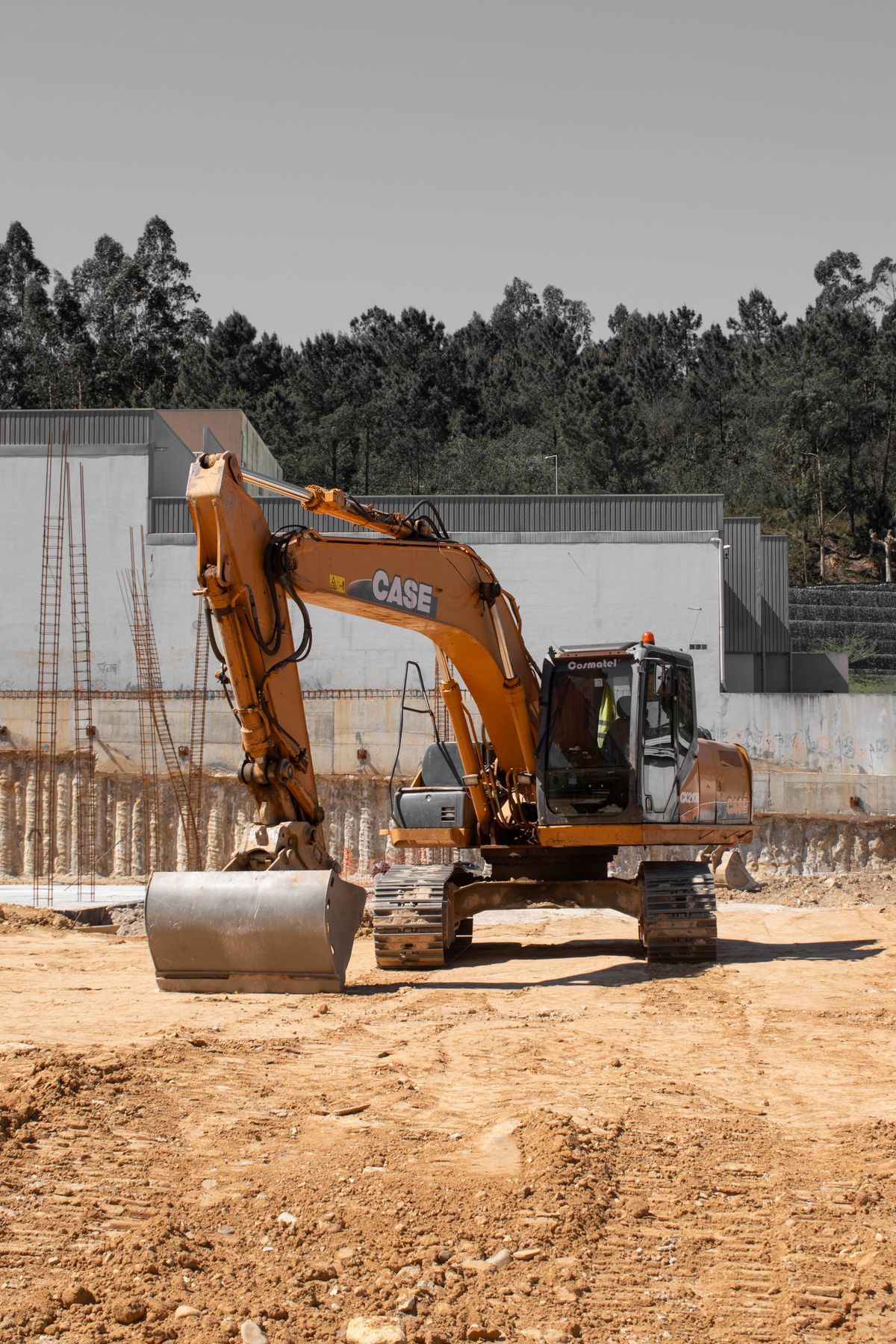
When patching stops making sense
A single failed joint is a repair job. A lateral that is failing everywhere is a different problem, and spending money on the third patch in the same run rarely feels like progress.
Several signs point toward replacing the pipe. The camera shows cracks or collapsed sections in more than one place. Joints are separated along much of the run. A long belly holds water. Roots have returned despite repeated cutting, and the pipe walls look scaled or flaking. Repeat backups that never quite go away tell the same story from the basement side.
None of this is decided over the phone. The camera video is what separates a line that can be saved with a spot repair from one where the honest answer is a new lateral. A good technician shows you the footage and explains the reasoning, not just the conclusion.
Why older clay and cast iron tend to give out
The pipe under many Lititz yards depends on when the home was built. Older houses often have clay laterals, laid in short lengths with a joint every few feet, or cast iron in the oldest cases. Both have a long record in the ground, and both tend to show their age in predictable ways.
Clay joints can open as the soil moves, and those openings invite roots. Cast iron can scale and thin from the inside, leaving a rough surface that snags paper. Pipe from the middle of the last century can also settle into sags where the bedding was thin. Newer homes tend to have plastic pipe, which usually has fewer joints, but a poorly supported run can still sag.
These are tendencies, not rules. Plenty of old pipe carries on quietly, and some young pipe has trouble. That is why the answer comes from the line in your yard and not from the age of your house.
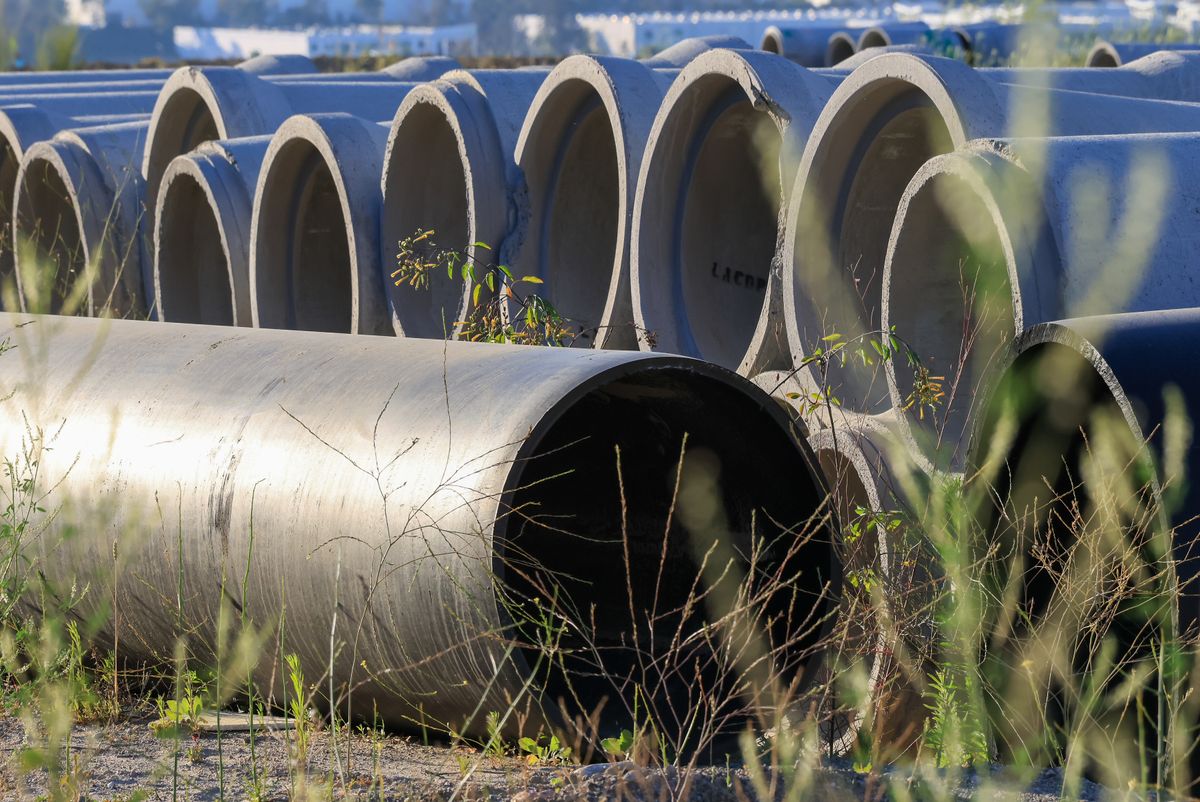
Digging a new trench or going trenchless
A new sewer lateral usually goes in by one of two general routes. In an open-trench replacement, the crew excavates along the old pipe, removes it and lays new pipe on prepared bedding. It gives full access to the line and the soil around it, and it suits runs where the old pipe has collapsed or where alignment has to be corrected.
The other route is pipe lining and bursting. In bursting, a new pipe is pulled through the old path while it breaks apart, usually from a small number of access holes. It can mean far less digging across a lawn. It also depends on the pipe, the soil and what sits above the line, and it is not always possible.
Which method fits is a judgment made from the camera findings and a look at your property. The technician explains both and the tradeoffs in scope and pricing before anything begins.
Lititz homes and where full replacement comes up
The borough has the oldest housing stock in the area, so its laterals are the ones most likely to be reaching the end of their useful run. The streets near the center, with their brick and stone homes and mature trees, are where replacement conversations often start.
In Warwick Township, the picture is more mixed. Post-war and later subdivisions have laterals installed in different decades, so line condition can change from one cul-de-sac to the next. Our pages for Warwick Township and Kissel Hill describe how that plays out locally.
Winter matters here too. Deep frost and repeated freeze-thaw shift the soil around buried pipe each year, and heavy clay soil that holds water makes it worse. A line that was fine for decades can start to move. Homes on private wells and on-lot septic are not part of what we do. This service is for homes on the public sewer.
What the replacement day looks like
Before work starts, the technician walks the line with you, confirms the route with the locator and points out anything that has to be moved or protected: shrubs, a patio edge, a fence section. The crew then sets up access, whether that is a trench or the entry and exit pits for a trenchless job.
The old lateral is removed or replaced in place, the new pipe is connected at both ends and the connection at the house and at the main or tap is checked. Water is run through the line, and the camera is often run again to confirm the slope and joints. Expect noise, equipment in the yard and limited use of the plumbing while the line is open. Ask about this up front so you can plan your day.
A new cleanout is a natural thing to add at this point, since the ground is open anyway. The cleanout page covers why it helps later.
Putting the yard back together
Replacement leaves a mark, and it is better to know that going in. Trenches are backfilled and compacted, but settled soil may need topping up later, and grass takes a season to recover. Ask the technician what the crew restores and what falls to you, whether that is seed and sod, a section of walkway or a driveway edge.
If the line crosses a hard surface, the plan for cutting and patching it should be part of the scope discussion, and so should the cost. Sorting this out before work begins prevents the sort of disagreement that happens when it comes up on the day.
Trenchless methods usually leave smaller disturbed areas, though pits at each end still need restoring. For warranty coverage, put the question to the independent technician before approving anything, because any terms are theirs.
Before anyone arrives
A few small habits protect the house and speed up the visit.
- Stop flushing and cut back on running water if a drain is already backing up.
- Keep people and pets clear of any sewage that has reached the floor.
- Do not pour chemical cleaners into the drains.
- If you know where the cleanout sits, leave it capped for the technician.
- Jot down roughly how often the line has clogged and when you last had it cleared.
- Dig out any earlier camera video or paperwork about the line.
Questions about sewer line replacement
It comes down to how much of the pipe is compromised. If a camera shows one damaged section, repair is usually reasonable. If it shows damage in several places, widespread joint separation, a long sag or repeated root growth, replacing the line often makes more sense than patching it piece by piece. The technician shows you the footage and explains how the findings point one way or the other, so the decision rests on what is in the ground.
It depends on the street. The older borough streets include homes from the 1700s and 1800s and early-twentieth-century blocks, so some laterals there are among the oldest in the area, often clay or cast iron. Villages in Warwick Township mix old cores with later subdivisions, so ages vary from block to block. Records are not always reliable, which is why a camera inspection tells you more about your own line than the age of the house does.
Usually not for much of the work, since the lateral carries everything out of the house and it is open or disconnected. The technician can tell you what to expect and when the plumbing is back in use. It helps to plan around it: use facilities elsewhere, hold off on laundry and dishes, and ask when the line will be reconnected so you know when normal use can resume.
It varies with the length and depth of the run, the soil, what lies above the pipe and which method is used. We do not quote durations over the phone because they would only be guesses. After the camera visit and a look at your yard, the technician explains the scope, the expected sequence of work and the schedule, along with upfront pricing, before anything begins.
Adding one is common practice and often a smart idea, especially if your home has no exterior access today. A cleanout gives you a capped opening for future clearing or camera work without taking out a toilet. Whether one is added is part of the scope the technician explains in advance, and the right location depends on the layout of your lateral and the foundation.
No. Pipe condition, depth, soil, nearby utilities and the route all affect whether trenchless methods fit, and a collapsed or badly misaligned section may need an open trench. Some properties work well for a bursting approach and others do not. The technician looks at the camera findings and the site and tells you which methods are realistic, instead of assuming one approach will suit every yard.
Policies differ a great deal, and we cannot say what yours covers. How a policy treats age-related wear, root damage or service lines is something only the policy wording can answer. The reliable way to find out is to ask your insurer or agent directly before work begins, and to keep the camera video and any written findings, since they may be requested. We connect you with plumbing professionals and do not handle claims.
The material depends on the method, the soil, the depth and any local requirements, so the technician specifies it for your job. Modern laterals are commonly plastic, with fewer joints than old clay, but we do not state a single answer as fact. Ask which material is proposed, how it is connected at the house and at the main, and why it suits your line.
Yes, and it is reasonable on a job this size. Ask the technician to save the camera inspection video and note where each problem sits along the line. You can then show the footage to another pro or your own plumber and compare what they see. A good technician has no problem with that, since the video is the same either way and the plan should follow from it.
Look inside the line, then choose
We connect you with a local technician who inspects the lateral, explains the choices plainly and gives upfront pricing before any work starts.