Rothsville Sewer Line Service, From Village Core to Newer Streets
Drains that slow down, a floor drain that bubbles, a yard that stays wet over the pipe path. Describe it to us, and a local technician comes out to see the line.
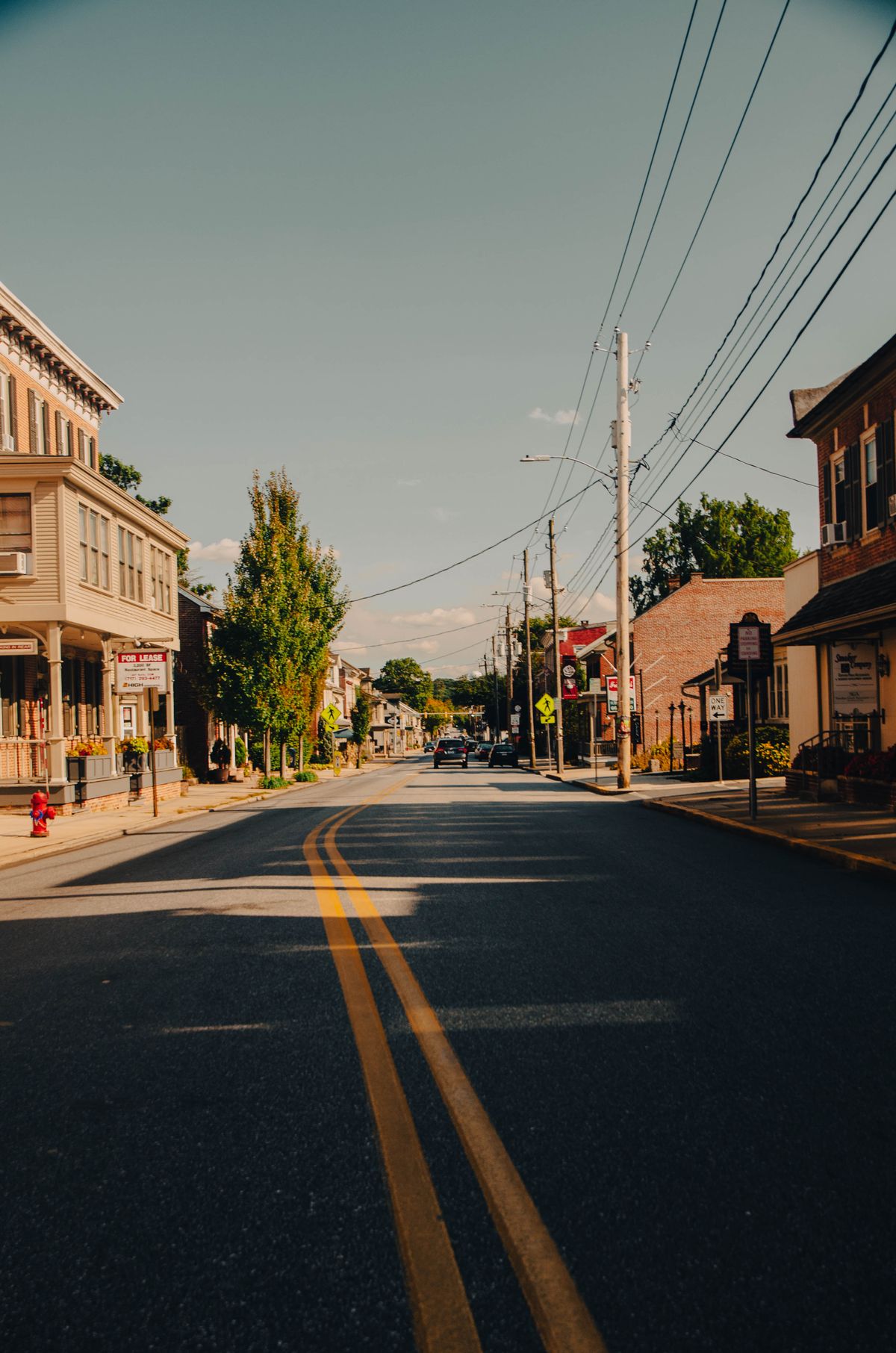
Where Rothsville lines run into trouble
Rothsville is the largest of the Warwick Township villages, and it has grown in layers. An older center sits at the village crossroads, and newer streets spread out from it, particularly to the east. For sewer service the main fact is simple: one village, several generations of pipe, and no single answer that fits every street.
Old center, newer streets
In the village core the houses are older, often with basements and narrow lots. Their laterals may be clay or cast iron, run a short distance to a main in the street, and have a lot of years behind them. Cleanouts, if they exist, may be tucked beside a foundation or buried under a bed of ground cover. Plenty of older homes were never given an exterior cleanout at all.
East of the core the streets change. Homes there tend to be newer, on regular lots with lawns, driveways and mature plantings that have had time to grow. The sewer line in these neighbourhoods is generally later pipe, though that varies from one street to the next, and a recent build date is no promise of a flawless lateral. Past the developed edge, a few properties sit on private septic, and those are outside this service. We work only on homes connected to the public sewer.
Problems that show up in this village
Older laterals near the center tend toward root entry at joints, scaled or cracked iron, and the odd offset where the soil has moved with the frost. Winter can add to it: freeze and thaw cycles shift soil, and cold ground tends to expose weak joints, so trouble often surfaces after a hard season.
On the newer streets the usual story is different. A section settles, leaving a belly that holds water. A connection loosens. Roots from a growing shade tree find a seam. Any of these can slow the line in a way that feels like an occasional clog, until the day it stops flowing at a bad moment.
What gets checked first at a Rothsville house
The technician begins with a conversation about the symptoms and then looks for the easiest way into the line. In older houses that may mean a floor drain. A newer house may have a cleanout outside near the foundation.
Whatever the entry point, the camera does the reading. Once the technician has seen the damage, the plan follows from it. If the pipe is structurally sound enough, pipe lining and bursting may be an option, though it is never a given and depends on the condition and the path of the line. A limited failure may call for a spot repair at that spot.
And if there is no outdoor access at all, the technician may suggest sewer cleanout installation so the next inspection or clearing is easier. Everything is explained, with upfront pricing, before work starts.
How the call goes
You phone, and a person answers. You say what is happening, which fixtures, how long. We ask a few more questions and send a technician who knows Lititz-area homes, same day where available. They look, they explain, and you decide. That is the whole process, and nobody starts digging before you have heard the options. Cleanup of any wet flooring is restoration work, and we connect plumbing only.
Villages next door that we also reach
Calls from here are handled the same way as calls from the rest of Warwick Township, whose subdivisions surround the village on several sides. North of Rothsville, the village of Lexington mixes village homes with rural lots and is served by the same dispatch line. Everything here sits inside ZIP 17543.
What you can do until help arrives
Small, calm steps that keep a bad morning from getting worse.
- If drains are backing up, stop running water and flushing.
- Keep family members and pets clear of any sewage on the floor.
- No chemical drain products, please.
- Leave the cleanout cap on until the technician arrives.
- Make a quick note of which fixtures are affected and when it started.
Questions from Rothsville homeowners
It is possible, though not certain. Homes from earlier decades often have clay or cast iron laterals, and some have been partly replaced over the years. You cannot tell from the outside. A camera inspection shows the actual material and condition, and that is the only reliable way to know. The technician describes what the pipe is made of and how it looks.
It may be, depending on the pipe. Lining suits some lines that are damaged but still hold a basic shape, and it tends to be less suited to lines with serious sags or collapsed sections. The camera decides, not the neighbourhood. If trenchless is possible, the technician explains how and where it works. If it is not, the alternatives and the upfront pricing are laid out before any work.
It is common in older homes, and it only means the camera needs another way in, usually a floor drain or a toilet connection. Having an exterior cleanout makes later inspections and clearing easier, so the technician may suggest adding one. That is a conversation, not a requirement. You decide after hearing the scope and pricing.
It can contribute. Freeze and thaw cycles move soil, and in older pipe that movement can open or shift joints. Cold ground can also make an existing weakness easier to notice. Not every winter problem is the pipe's fault, so the camera comes first. A technician looking at the line can tell whether the pattern fits ground movement or something else entirely.
Then this service does not apply to your property. We connect homeowners with local sewer line professionals for homes on the public sewer, and septic tanks and drain fields are a different field. If you are not sure which you have, say so on the call. The dispatcher will ask a few questions and tell you plainly whether we can help.
Because a clog that returns can point to something in the line, such as roots at a joint or a sag collecting paper. A plunger treats the moment, not the cause. If it keeps coming back every few weeks or months, a camera look is a reasonable next step. It is your call, and the dispatcher can help you weigh it.
The lateral is usually the homeowner's responsibility, sometimes out to the property line and sometimes out to the main. Your municipal sewer authority can tell you how it applies at your address. Some homeowners also ask their insurer whether anything is covered. We make no promises about that. The technician explains scope and upfront pricing before work begins, so you can plan.
A useful clue is how many fixtures are involved. One slow sink often points to a local clog in the house plumbing. Several fixtures slowing together, gurgling, or a floor drain filling often points toward the lateral. The camera confirms which is true. Describe the pattern when you call, and the dispatcher can point you in the right direction.
Ready when your drains are not
Phones are answered 24/7, with same-day and emergency dispatch where available. The technician explains pricing before work begins.