Sewer Backup Service in Lititz
Water is coming up through the basement floor drain, or the tub gurgles when the washer drains. Stop running water, call, and we will send a local technician to find out why.
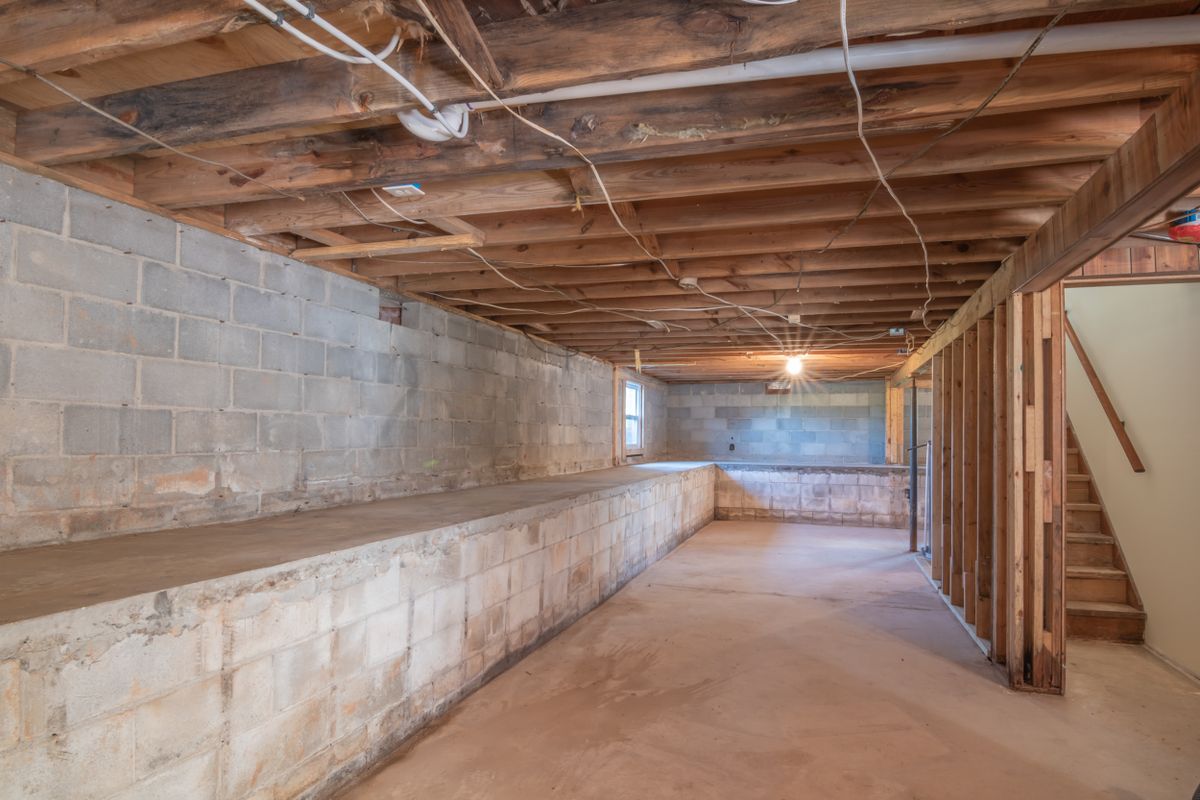
How a lateral backup announces itself
The line from your house to the main carries everything downhill, so when it blocks, the water has to go somewhere. It comes up at the lowest opening in the house. In many Lititz homes that means a basement floor drain, a laundry sink or a shower stall on the lowest level.
Some early signs are easy to miss:
- a floor drain that gurgles when a toilet upstairs is flushed
- several fixtures draining slowly at the same time, not just one
- water appearing in a basement tub or shower when the washer empties
- a sewage smell near a floor drain or in the yard over the line
One sluggish sink by itself tends to mean a clog near that sink. Several fixtures acting up together, especially the lowest ones, points toward the lateral.
The first things to do when drains start backing up
Stop adding water to the system. That means no flushing, no laundry, no dishwasher and no long showers until a technician has looked. Every gallon you send down has nowhere to go and may end up on the floor.
Keep people and pets out of any wet area, and avoid walking through standing water in bare feet. Do not pour drain products into the line. They rarely help a lateral blockage and the technician may need to work around them.
Leave the cleanout closed. Opening it under pressure can send wastewater into the yard or basement. Then call, and tell us when it started and what has been affected.
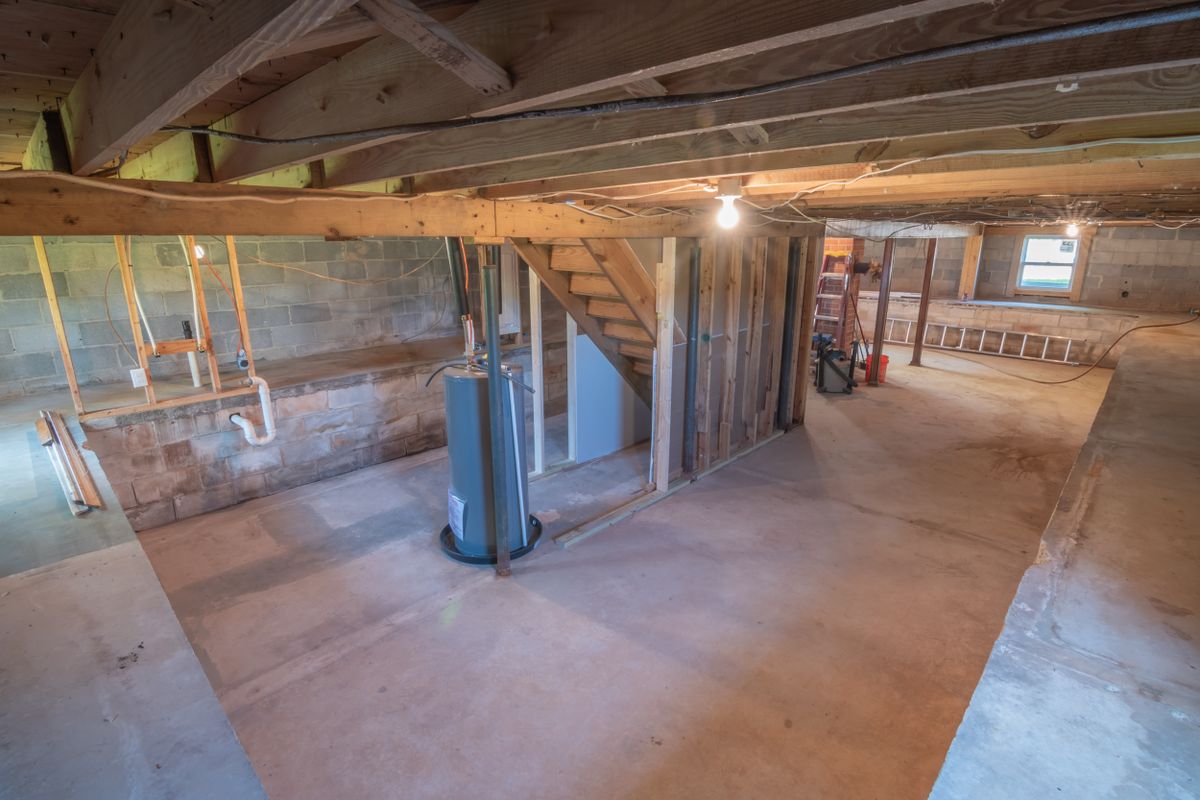
How the blockage gets cleared
The technician we dispatch starts by locating the blockage and opening access, usually at the exterior cleanout or, if there is none, through another point in the system. A cable machine or a water-jetting tool breaks through the obstruction so wastewater drains away again.
Once flow is restored, the technician checks that the fixtures on each level are draining properly. If the machine pulls back roots, grease or debris, you get to see what came out.
Clearing is the quick part. It solves tonight's problem, but a blockage that formed once can form again if the cause is still in the pipe.
Tracing the cause with a camera
After the line is open, a camera run shows why it blocked. A single wad of paper is possible, but backups are more often the sign of a root mass, an offset joint, a belly that holds water or a cracked section.
Each of those has its own answer. Roots might point toward the root intrusion options, and a broken joint toward a spot repair. The footage also settles a question homeowners ask constantly: is it my pipe, or something beyond it?
The lateral is usually the owner's responsibility from the house toward the main, so check with your municipal sewer authority about where yours ends. If the camera shows the trouble sits farther out, the technician will say so rather than guess.
Lititz homes and the backups they tend to have
In the older streets of the Warwick Township area and the borough, basements sit low, and the floor drain is often the first place the water appears. Clay and cast iron laterals can carry decades of root intrusion, and during a long wet stretch or a thaw, a marginal line can tip over into a full blockage.
Village homes near Lexington often mix older plumbing with newer additions, so the camera sometimes finds a connection or transition that explains a recurring slow-down. Newer subdivisions have their own pattern, usually a belly or a poor joint rather than age.
Homes on septic systems and private wells are not covered here. This service applies to properties on the public sewer.
Lowering the odds of a repeat
The most reliable way to reduce backups is to fix what caused the last one. That might be removing roots and sealing the joint, replacing a sagging section, or at least adding a cleanout so the line can be reached easily next time.
Some homes also use a backwater valve, a device fitted into the building drain that is designed to close if wastewater tries to flow backward into the house. Whether one suits your home depends on the plumbing layout and the lowest drains, and the technician can explain it generally when the camera work is done.
No device or repair can promise that a backup never happens again. What we can do is show you the cause and give you honest options.
Until the technician reaches you
These steps limit the problem while help is on the way.
- Stop using water. No flushing, laundry, dishwasher or showers until the line is cleared.
- Keep family members and pets out of any room with standing wastewater.
- Do not pour chemical drain products into any fixture.
- Leave the cleanout cap on. The technician will open it safely.
- Write down the time the problem began and which drains and toilets are affected.
- Take a photo of the affected drain for the technician and for your insurer.
Questions about sewer backup service
The floor drain is typically the lowest opening in the house, so when the lateral is blocked or running slowly, wastewater has nowhere else to rise. It does not always mean something is broken inside your walls. Roots, a collapsed or offset section, grease or a belly in the pipe are common reasons. A technician clears the blockage first and then uses a camera to look for the cause, so you are not left guessing.
You usually cannot tell from inside the house. The lateral is generally the homeowner's responsibility, though the exact boundary varies by municipality. Check with your municipal sewer authority. A camera run shows where the blockage or damage sits relative to your property, and a locator marks that point above ground. If neighbours are having the same trouble at once, mention it on the call because that can suggest the problem is not on your side.
Yes. Water you send down a blocked line has nowhere to go and will rise at the lowest drain. A washing machine discharge or a long shower can put a surprising amount of wastewater onto a basement floor. Pausing everything gives the technician a better starting point and keeps the problem from growing. Once the line is clear and the technician says it is fine, normal use resumes.
It can contribute. During a long downpour or a fast thaw, the ground around an older lateral becomes saturated, and cracked joints can admit extra water and soil. That can push a marginal line past its limit. Some backups during storms are linked to the larger system beyond your property. A camera run helps separate those cases from a fault in your own pipe, which is why we look before suggesting a repair.
It is a fitting placed in the building drain that is designed to close when flow tries to run backward toward the house. Its job is to hold wastewater back during a surcharge in the line downstream. Whether it makes sense depends on where your lowest drains sit and how the pipes are laid out. It does not clear a blockage or fix a damaged pipe, and it needs access and upkeep. The technician can discuss it once the line has been inspected.
Cleaning, drying and restoring the affected space is the work of a restoration company, not a plumber. We connect plumbing only: the technician clears the line, finds the cause and explains the repair. If wastewater reached your floors, check your homeowner's policy and contact a local restoration company. Photographs of the affected area and a note of when the backup started are useful for both the insurer and the restoration crew.
If wastewater is entering the house, treat it as urgent and call right away. Our calls are answered 24/7, and same-day and emergency dispatch is available where possible. The longer a blocked line sits full, the more it can spread. If the problem is only a slow drain with no water on the floor, the situation is less pressing, but a camera visit soon is still worthwhile.
After the technician clears the blockage, a camera is run along the lateral to the point where the line leaves your property or meets the main. The technician watches for roots, cracks, offsets, bellies and buildup, and uses a locator to mark any trouble spot above ground. You see the same video. That visual evidence leads to a specific recommendation, with scope and upfront pricing explained before any work begins.
It might, if the cause is still in the pipe. A blockage cleared by cable restores flow, but roots, a sag or a broken joint will keep collecting debris. Writing down how often the problem returns helps the technician judge how serious it is. No repair can promise a backup never happens again, but fixing the real cause lowers the chance considerably.
Describe which drains are affected and in what order, when it began, whether it happened after laundry or a storm, and whether you know where the cleanout sits. Mention any previous cable clearing or camera video. These details let the dispatcher send someone with the right equipment, and they often shortcut the diagnosis once the technician arrives at your door.
Clear it, then find out why
Clearing the line gets you back to normal. A camera visit explains the cause so the next backup is less likely. Pricing is explained before work starts.